
Signing under duress in 2026: What it means and how to prove it

Signing a document under duress means that a person’s agreement to the terms was not given freely, but rather coerced through threats, intimidation, or undue pressure. Proving duress can be crucial in invalidating a signed agreement and protecting the rights of the individual involved.
- Signing under duress occurs when someone is forced to sign a contract against their free will due to wrongful threats or pressure.
- Proving duress requires demonstrating that a wrongful threat existed, you had no reasonable alternative, and the pressure directly caused you to sign.
- SignNow helps prevent disputes by creating a clear digital audit trail, ensuring all parties have ample time to review documents before signing.
- Secure eSignature platforms offer compliance with the ESIGN Act and other regulations, adding a layer of protection to your agreements.
Contracts are the backbone of business. They define relationships, set expectations, and provide legal protection for everyone involved. But a contract is only valid if everyone signs it of their own free will. When pressure tactics cross the line into coercion, you enter the territory of signing under duress.
If you sign an agreement because you feel you have no other choice, the contract might not be enforceable. Understanding what counts as duress—and what doesn’t—is critical for business owners and individuals alike. This guide breaks down the legal concepts into plain English and explains how secure tools like SignNow can help you manage contracts safely.
What is signing under duress?
At its core, signing under duress means you signed a document because you were forced to do so. It wasn’t a choice you made freely. Instead, someone used wrongful pressure or threats to compel you to agree.
In contract law, for an agreement to be legally binding, all parties must consent voluntarily. If one party uses coercion, the element of mutual consent disappears. This can make the contract voidable. This means the pressured party can choose to cancel the agreement later.
However, not all pressure counts as duress. Feeling stressed about a deal or needing money urgently doesn’t automatically mean you are signing under duress. The law looks for specific types of wrongful acts that leave you with no reasonable alternative.
The difference between hard bargaining and duress
Business negotiations are often tough. One side might have more bargaining power than the other. A large company might say, “Take it or leave it.” While this feels like pressure, it is usually legal.
Signing under duress involves something more severe. It usually requires a wrongful threat. This could be a threat to break an existing contract, a threat of physical harm, or a threat to damage your business unlawfully. If a vendor says, “Sign this new contract with higher rates, or we will stop shipping the supplies we already agreed to deliver,” that might constitute economic duress.
Types of duress in contract law
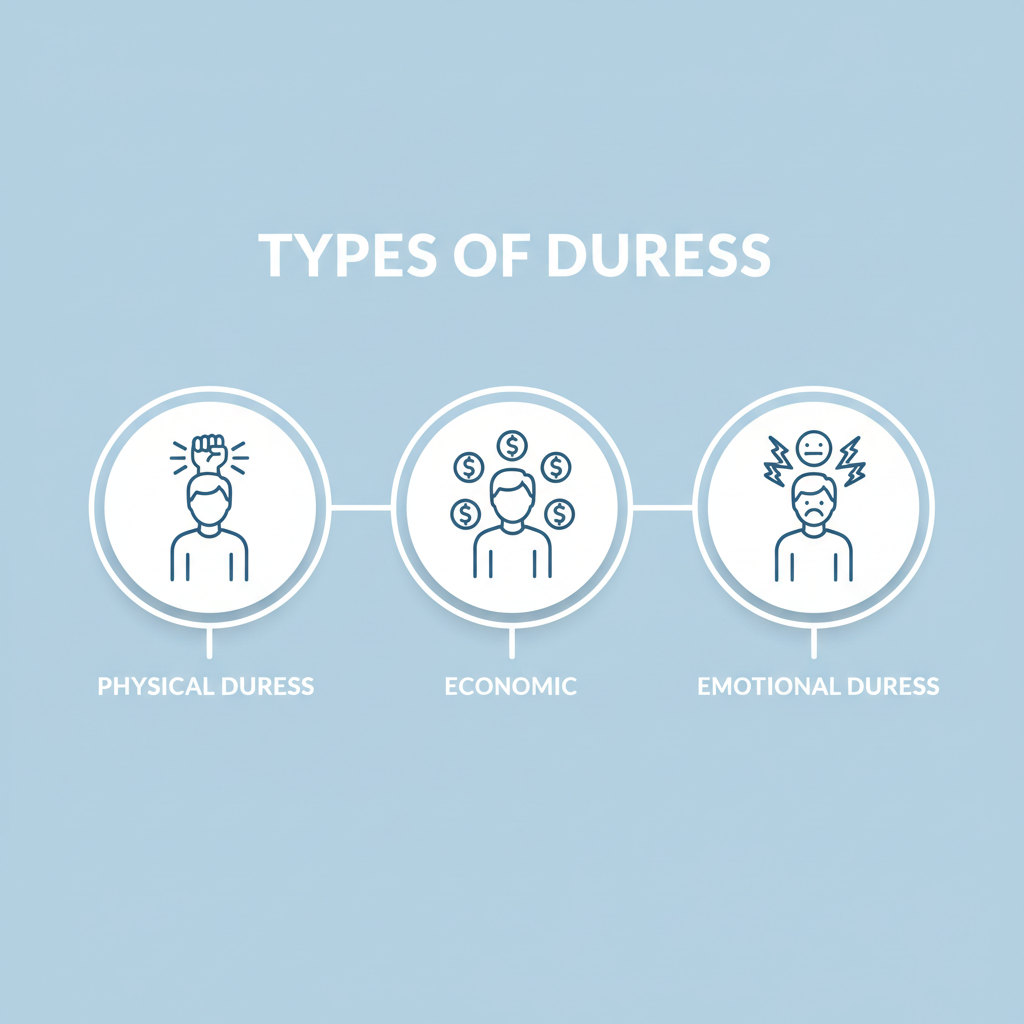
Courts typically recognize three main categories of duress. Understanding these helps clarify whether a specific situation constitutes duress.
1. Physical duress
This is the most extreme form. It happens when one party threatens physical harm to force a signature. If someone threatens bodily harm to you or a family member, any resulting contract is almost certainly void. Thankfully, physical duress is rare in modern commercial contract settings.
2. Economic duress
This is much more common in the business world. Economic duress happens when one party uses unlawful financial threats to force an agreement. For example, a supplier might threaten to withhold essential goods unless you agree to unfavorable terms immediately.
To prove economic duress, you generally need to show three things:
- A wrongful or unlawful threat was made.
- You had no reasonable alternative but to agree.
- The threat caused immediate financial distress or ruin.
3. Emotional or psychological duress
Psychological or emotional duress occurs when one party uses fear, intimidation, or manipulation to force an agreement. This can be difficult to prove in a court of law because it often involves subjective feelings and emotions.
However, there are certain factors that may help prove emotional duress:
- Threats or abuse were used to coerce the agreement.
- The other party had a position of power or influence over you.
- You had no reasonable alternative but to agree.
If any of these elements are present, it may be possible to argue that the agreement was not made voluntarily and therefore should not be enforced.
How to prove signing under duress
Claiming you signed under duress is one thing; proving it is another. The burden of proof lies with the person trying to cancel the contract. Courts typically look for specific evidence to support duress claims.
Evidence of a wrongful threat
You must prove that the other party made a wrongful threat. This is not just a threat to drive a hard bargain. It must be a threat to do something unlawful or improper.
Save all communications. Emails, text messages, and voicemails can provide critical evidence. If the other party threatened to breach an existing contract or commit a tort, you need a record of it.
Lack of a reasonable alternative
You must show that you had no reasonable choice but to sign. If you could have sued for damages instead of signing, or if you could have found another supplier, a court might say you had a choice.
For example, if a supplier threatens to stop shipment, but you could buy the goods from another business, you might not have a strong claim for economic duress. You must demonstrate that the threat left you with no practical legal means to avoid disaster.
Immediate protest
Timing matters immensely. If you sign under duress, you should object as soon as the pressure is removed. If you continue to follow the contract terms for months without complaint, a court may decide you affirmed the contract.
Taking independent legal advice immediately after signing can help. It creates a record that you felt forced to sign and are seeking a legal position to correct it.
The role of digital tools in preventing duress claims
In 2026, most contracts are signed digitally. This shift actually helps reduce the risk of duress claims. Secure platforms like SignNow provide a detailed audit trail that protects both parties.
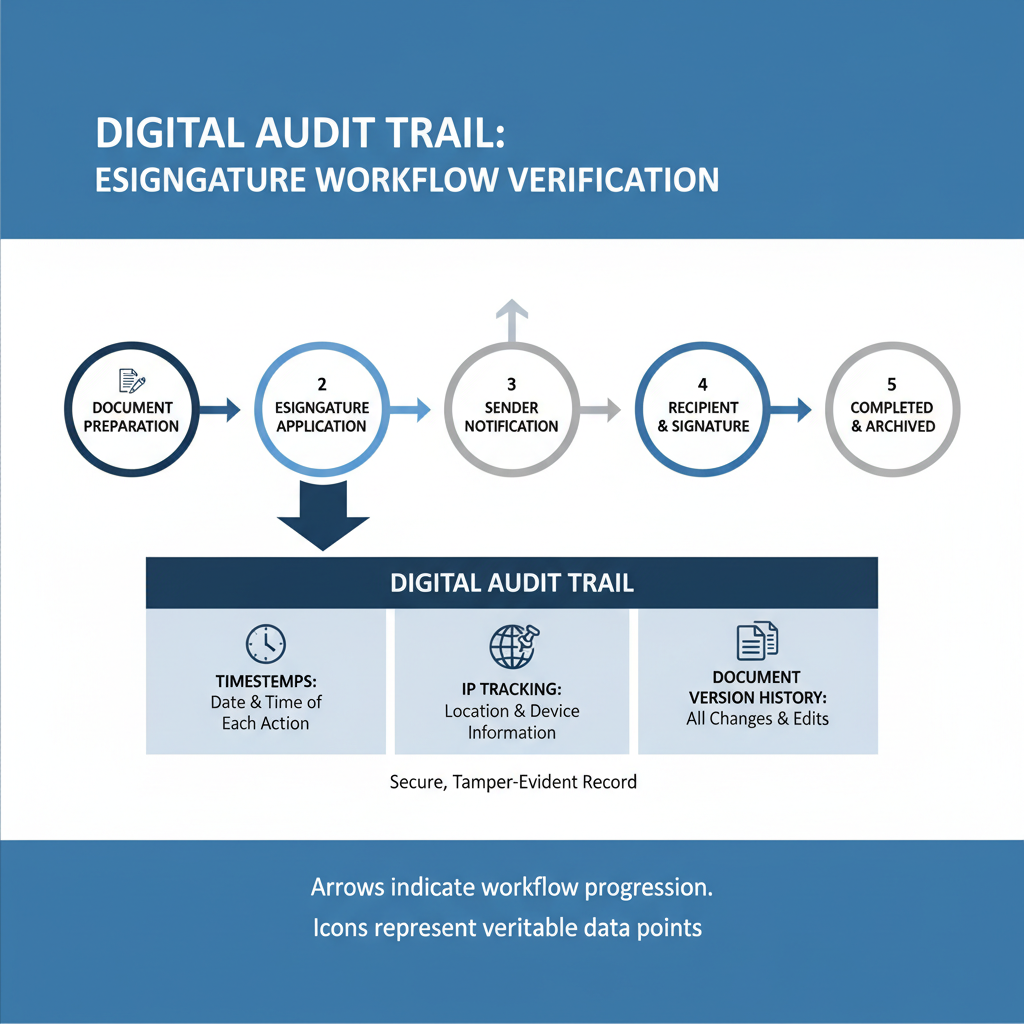
Creating a digital audit trail
When you sign a contract on paper, it is hard to prove when and where it happened. Digital signatures change that. SignNow records the exact time, date, and IP address of every action.
This audit trail shows that the document was sent, opened, and signed at specific times. If a dispute arises, this data helps establish the circumstances surrounding the signature. It proves that the signer had access to the document and completed the process through a verified system.
Ensuring time to review
One common sign of duress is a lack of time to think. “Sign now or else” is a classic pressure tactic. Using an eSignature platform allows you to send documents well in advance.
You can set expiration dates that are reasonable, giving the other party days or weeks to review. This demonstrates that they had ample opportunity to seek legal counsel or read the entire agreement. It undermines the argument that they were forced to sign in a panic.
Transparency in the signing process
Ambiguity breeds conflict. SignNow ensures that the signer sees the entire document before signing. Users cannot sign a page without scrolling through the content.
This transparency ensures that the signing party knows exactly what they are agreeing to. It prevents situations where pages are swapped out or terms are hidden. A clear, transparent workflow supports the validity of the contract.
Practical steps to protect yourself
Whether you are sending a contract or signing one, you can take steps to ensure the agreement is valid and voluntary.
For the signing party
If you feel you are being forced to sign, try to document the pressure. Send an email summarizing the conversation: “I am signing this because you threatened to [action], and I have no other choice.”
Consult an attorney immediately. Do not wait until the other party sues you for breach. Taking action quickly strengthens your legal position.
For the issuing party
Avoid high-pressure sales tactics. Give your clients or partners time to review the deal. Suggest they seek independent legal advice if the contract is complex.
Use a reputable platform like SignNow. The built-in compliance with the ESIGN Act and eIDAS regulations adds a layer of trust. It shows you are following industry standards for binding agreements.
Common misconceptions about signing under duress
There are many myths about what makes a contract voidable. Clearing these up can save you from costly legal mistakes.
“I can just write ‘under duress’ next to my name.”
Some people believe writing “V.C.” (vi coactus) or “under duress” next to their signature automatically invalidates the contract. This is not a magic bullet.
While it serves as a form of protest, it does not prove duress by itself. You still need to prove the wrongful threat and lack of alternatives in court. A judge will look at the facts, not just the note next to the signature.
“I needed the money, so it was duress.”
Financial desperation does not equal economic duress. If you sign a bad deal because your business is struggling, that is usually considered a business risk, not coercion.
For economic duress to apply, the other party must have created the pressure through a wrongful act. Taking advantage of your existing bad situation is often legal, even if it feels unfair.
“I didn’t read it, so it doesn’t count.”
Failure to read a contract is almost never a valid defense. If you had the opportunity to read it but chose not to, you are still bound by the terms.
This applies even if the terms are unfavorable. Courts expect a reasonable person to read what they sign.
When does a contract become voidable?
A contract signed under duress is typically voidable, not automatically void. This distinction is important legally.
Void means the contract never existed in the eyes of the law. This usually applies to extreme cases like physical duress involving bodily harm.
Voidable means the contract is valid until the wronged party takes action to cancel it. The victim has the power to either accept or reject the contract. If they do not act within a reasonable time, they may lose the right to cancel.
This is why acting quickly is essential. If you continue to accept benefits from the contract, you might inadvertently ratify it.
How SignNow simplifies secure workflows
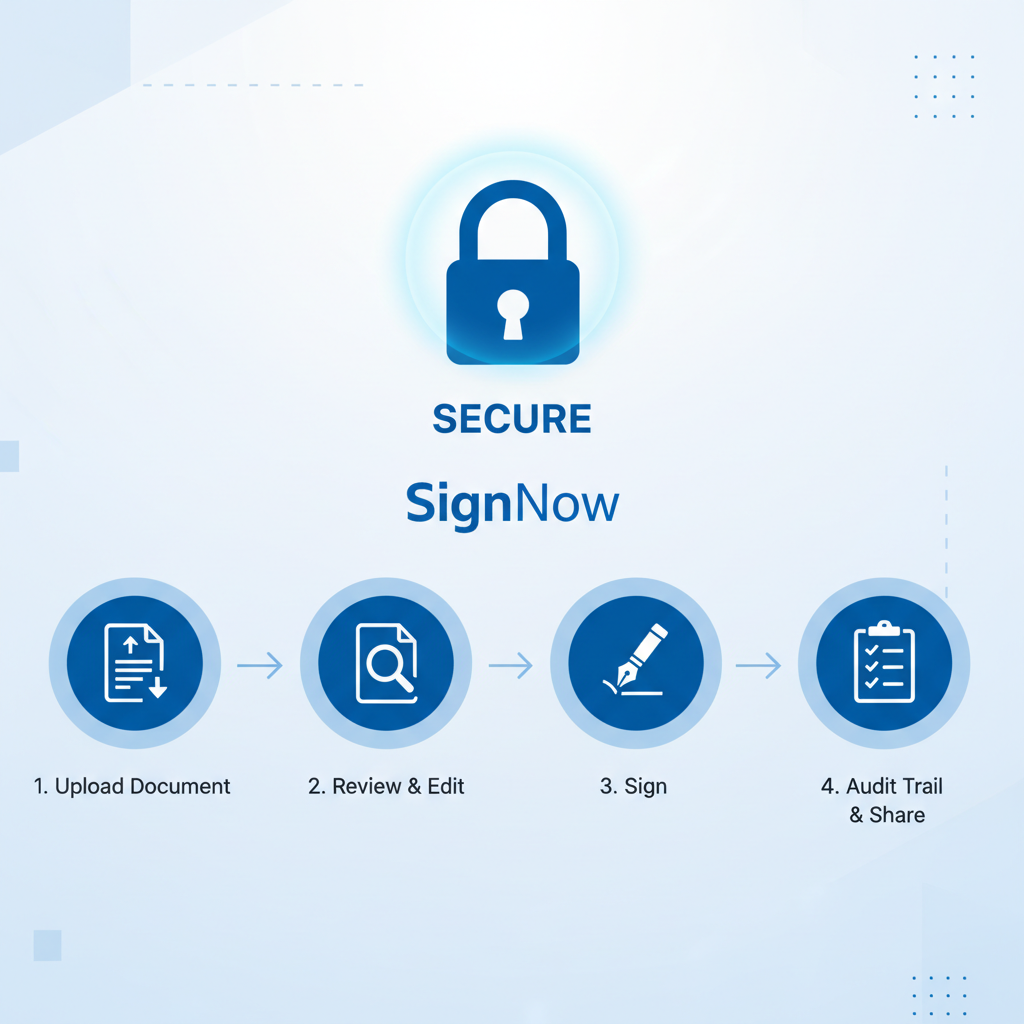
Disputes often arise from messy processes. SignNow helps you organize your contract workflow to minimize confusion and pressure.
Secure and compliant
SignNow complies with major legal standards like the ESIGN Act and eIDAS. This ensures your digital signatures carry the same legal weight as handwritten ones.
Clear version control
You always know you are looking at the final version of the document. There is no confusion about which draft was signed. This clarity protects both sides from claims that they signed the wrong document.
Easy access for legal counsel
You can easily share documents with your legal team for review before signing. This encourages independent legal advice, which is a strong defense against claims of psychological duress.
Comparison: Hard bargaining vs. economic duress
It can be difficult to tell the difference between aggressive negotiation and illegal pressure. This table outlines the key differences.
| Feature | Hard bargaining (Legal) | Economic duress (potentially illegal) |
| The threat | “I won’t sign unless you lower the price.” | “I will break our existing contract unless you pay more.” |
| Nature of pressure | Uses market power or leverage. | Uses wrongful or unlawful acts. |
| Alternatives | You can walk away or find another partner. | You have no reasonable alternative or choice. |
| Outcome | Uncomfortable but voluntary agreement. | Forced agreement against free will. |
| Legal status | Valid contract. | Voidable contract. |
Disclaimer: The information contained in this blog post is provided for general informational purposes only and does not constitute formal legal advice.
Final thoughts
Signing a contract should mark the start of a productive relationship, not the beginning of a legal battle. Signing under duress undermines the foundation of contract law: mutual consent. Whether it is economic duress, physical threats, or emotional influence, coercion has no place in valid agreements.
Protecting yourself requires awareness. Know your rights, document your interactions, and never be afraid to pause and seek legal counsel. For businesses, the best defense against duress claims is a transparent, professional signing process.
Using a secure eSignature solution like SignNow ensures that every agreement is tracked, verified, and accessible. It provides the digital evidence you need to prove that your contracts were signed fairly and voluntarily.
Ready to streamline your contract process with security and confidence? Start your free trial of SignNow today!
Glossary
- Duress: A situation where a person performs an act, such as signing a contract, as a result of violence, threat, or other pressure against them. In contract law, it creates a defect in consent that can make the agreement voidable.
- Voidable contract: A formal agreement between two parties that may be rendered unenforceable for a number of legal reasons. Unlike a void contract, which is invalid from the start, a voidable contract remains valid until the wronged party chooses to cancel it.
- Rescission: The legal act of cancelling a contract and returning the parties to the positions they were in before the contract was signed. This is the primary remedy for a contract found to be signed under duress.
FAQ
1. Can I get out of a contract if I felt pressured to sign?
It depends on the type of pressure. If you experienced general stress or financial pressure, the contract is likely still valid. However, if you can prove you were subject to a wrongful threat that left you no reasonable choice, you may have grounds to claim duress.
2. Does writing “under duress” next to my signature make the contract void?
Not automatically. While it signals that you are protesting the agreement, you still need to prove the elements of duress in court. It serves as evidence of your state of mind at the time, but it does not bypass the need for legal proof.
3. What is the difference between duress and undue influence?
Duress typically involves specific threats of harm, whether physical or financial. Undue influence involves the abuse of a relationship of trust to manipulate someone’s free will without necessarily using overt threats.
4. How quickly do I need to act if I signed under duress?
You should act as soon as the duress has ended. If you wait too long or continue to accept the benefits of the contract, a court may decide that you have affirmed or ratified the agreement, making it harder to cancel.
5. Is a contract signed under economic duress automatically void?
No, it is usually considered voidable. This means the contract exists until the coerced party takes legal steps to rescind it. The victim has the choice to either enforce the contract or cancel it.
6. Does high-pressure sales count as duress?
Generally, no. Aggressive sales tactics or “limited time offers” are usually considered part of normal commercial bargaining. Unless the salesperson prevents you from leaving or uses unlawful threats, it is likely not legal duress.
7. Can digital signatures help prevent duress claims?
Yes, they can help significantly. Digital signature platforms like SignNow create a comprehensive audit trail showing when a document was sent, viewed, and signed. This evidence helps prove that the signer had access to the document and followed a standard process, reducing the likelihood of successful coercion claims.
- What is signing under duress?
- Types of duress in contract law
- How to prove signing under duress
- The role of digital tools in preventing duress claims
- Practical steps to protect yourself
- Common misconceptions about signing under duress
- When does a contract become voidable?
- How SignNow simplifies secure workflows
- Comparison: Hard bargaining vs. economic duress
- Final thoughts
- Glossary
- FAQ